SparkFun Transparent Graphical OLED Breakout (Qwiic)
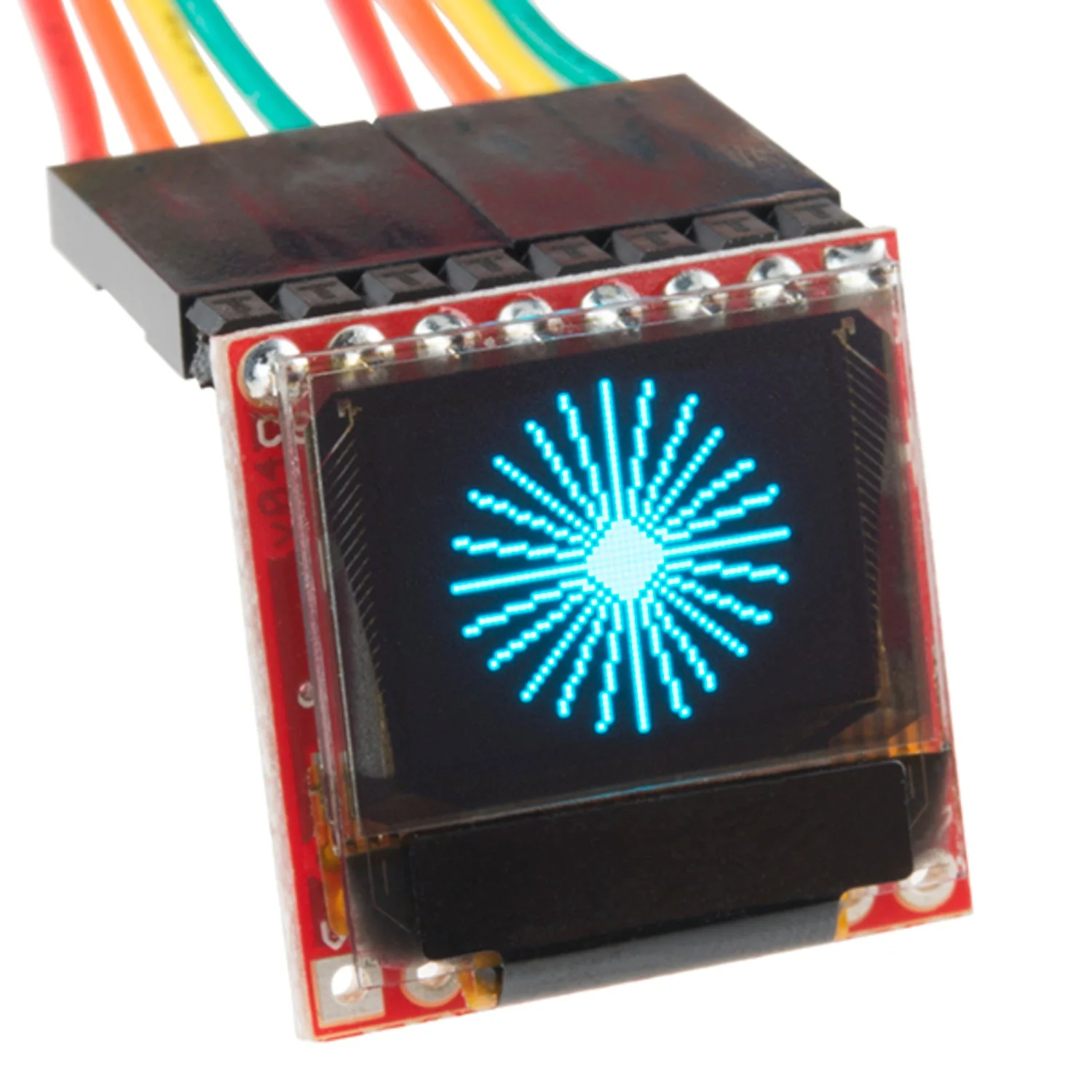
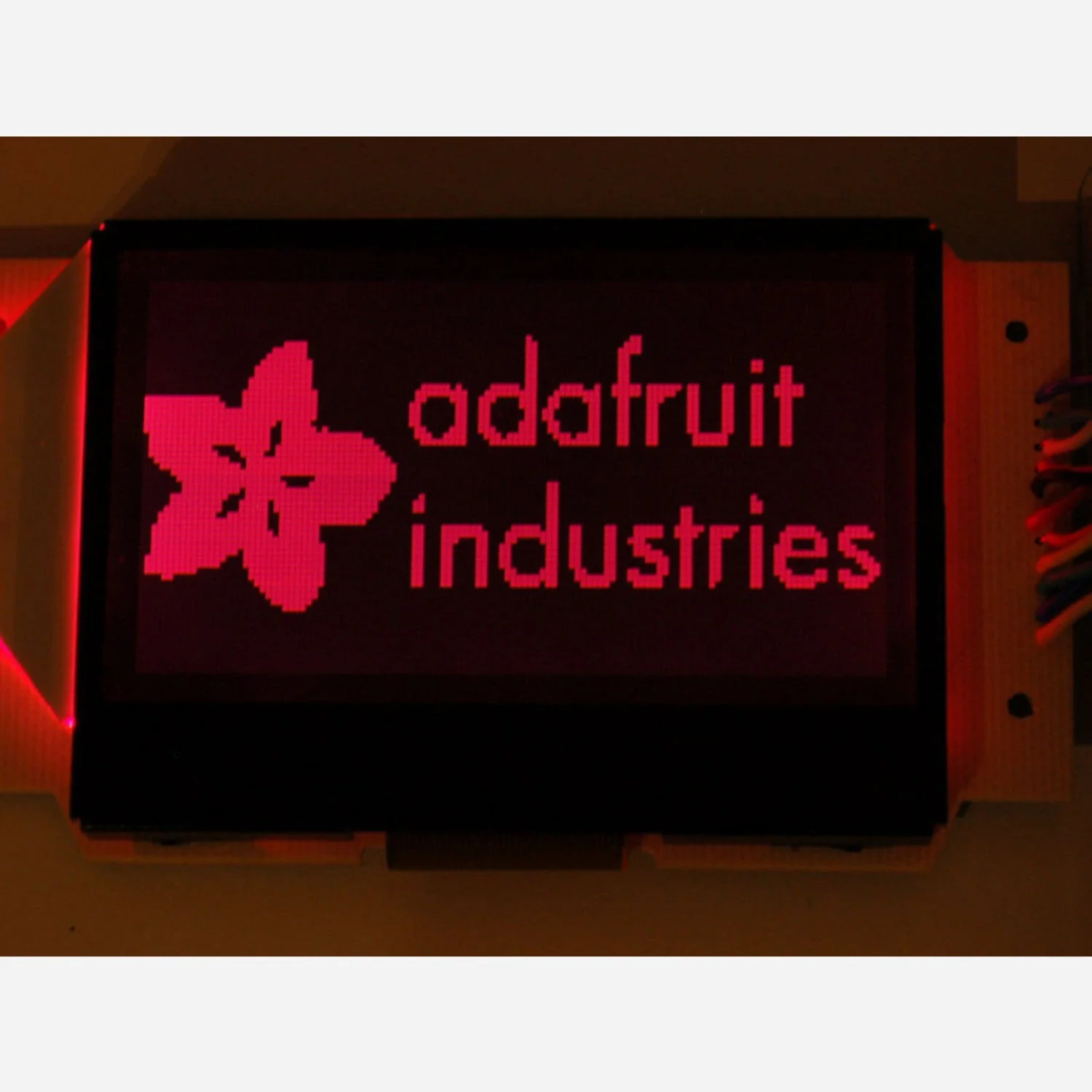
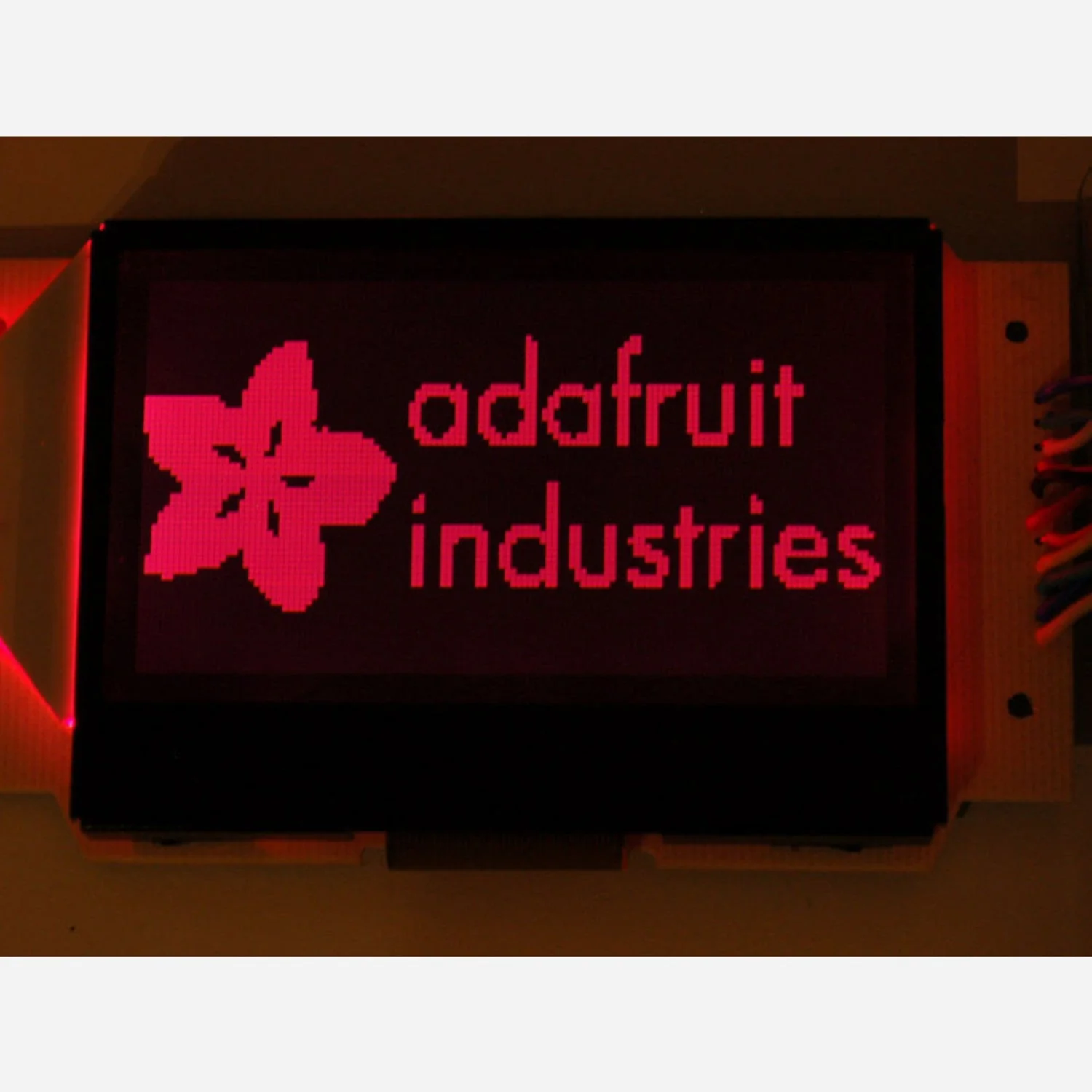
The SparkFun Transparent Graphical OLED Breakout features a 128×64 pixel display where 128×56 pixels are completely transparent, allowing you to overlay graphics onto real-world objects. The display is brilliantly lit in the dark and remains visible in daylight.
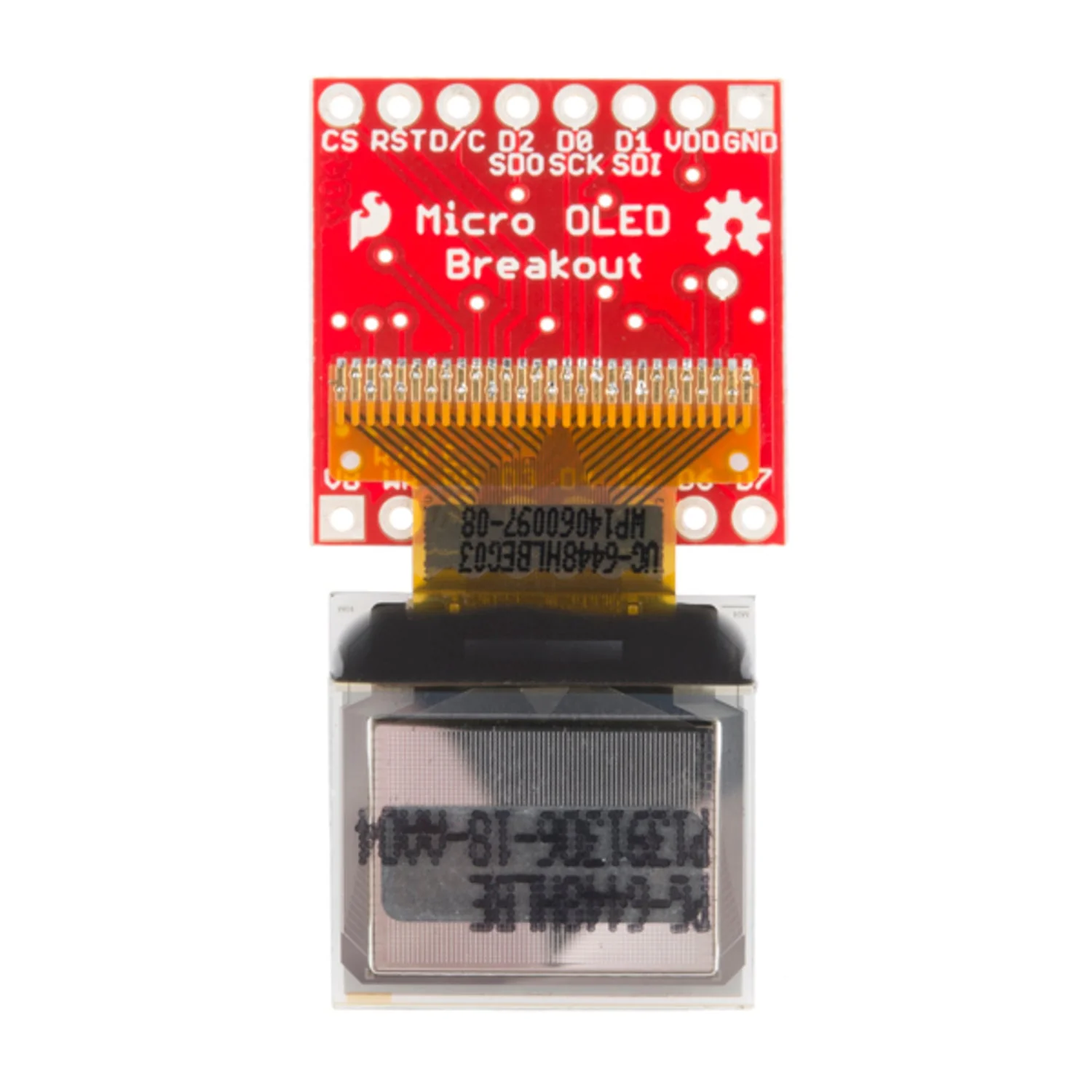
The breakout supports both SPI and I2C (Qwiic) interfaces. Two Qwiic connectors enable solderless daisy-chaining, and 0.1"-spaced breakout pins are provided for breadboard use. The display is driven by SparkFun's HyperDisplay Arduino library.
Key Features
- Transparent OLED Display – 128×56 transparent pixels within a 128×64 pixel area
- Dual Interface – SPI or I2C (Qwiic) connection options
- Qwiic Connectors – Two connectors for solderless I2C hookup
- Breadboard-Friendly – 0.1"-spaced breakout pins
- HyperDisplay Library – Arduino library for driving custom graphics
Specifications
- Display Resolution – 128×64 pixels (128×56 transparent)
- Interface – SPI or I2C (Qwiic)
- Supply Voltage – 3.3V
- Current Draw – Up to ~400 mA
Ideal For
- Heads-up display (HUD) projects
- Augmented reality prototyping
- Wearable electronics
- Interactive art and installations
Resources
Product Information
Product Information
Shipping & Returns
Shipping & Returns
Description
The SparkFun Transparent Graphical OLED Breakout features a 128×64 pixel display where 128×56 pixels are completely transparent, allowing you to overlay graphics onto real-world objects. The display is brilliantly lit in the dark and remains visible in daylight.
The breakout supports both SPI and I2C (Qwiic) interfaces. Two Qwiic connectors enable solderless daisy-chaining, and 0.1"-spaced breakout pins are provided for breadboard use. The display is driven by SparkFun's HyperDisplay Arduino library.
Key Features
- Transparent OLED Display – 128×56 transparent pixels within a 128×64 pixel area
- Dual Interface – SPI or I2C (Qwiic) connection options
- Qwiic Connectors – Two connectors for solderless I2C hookup
- Breadboard-Friendly – 0.1"-spaced breakout pins
- HyperDisplay Library – Arduino library for driving custom graphics
Specifications
- Display Resolution – 128×64 pixels (128×56 transparent)
- Interface – SPI or I2C (Qwiic)
- Supply Voltage – 3.3V
- Current Draw – Up to ~400 mA
Ideal For
- Heads-up display (HUD) projects
- Augmented reality prototyping
- Wearable electronics
- Interactive art and installations